


The same silhouette can look entirely different depending on fabric and draping choice, which is part of what makes sarees for women such a versatile category. Understanding this relationship helps buyers make more intentional choices for each occasion.
Many buyers focus heavily on color and print while overlooking how significantly fabric weight and draping style affect the overall impression an outfit creates, from casual and relaxed to formal and structured.
How Fabric Weight Changes the Silhouette
Lightweight fabrics like chiffon and georgette create a flowing, softer silhouette suited to daytime or outdoor events, while heavier silk and brocade fabrics create structure and formality more appropriate for evening occasions.
Staying aware of what qualifies as a Trending saree for women each season helps buyers make informed choices about fabric and print combinations that feel current, without needing to abandon personally flattering, tried-and-true silhouettes entirely.
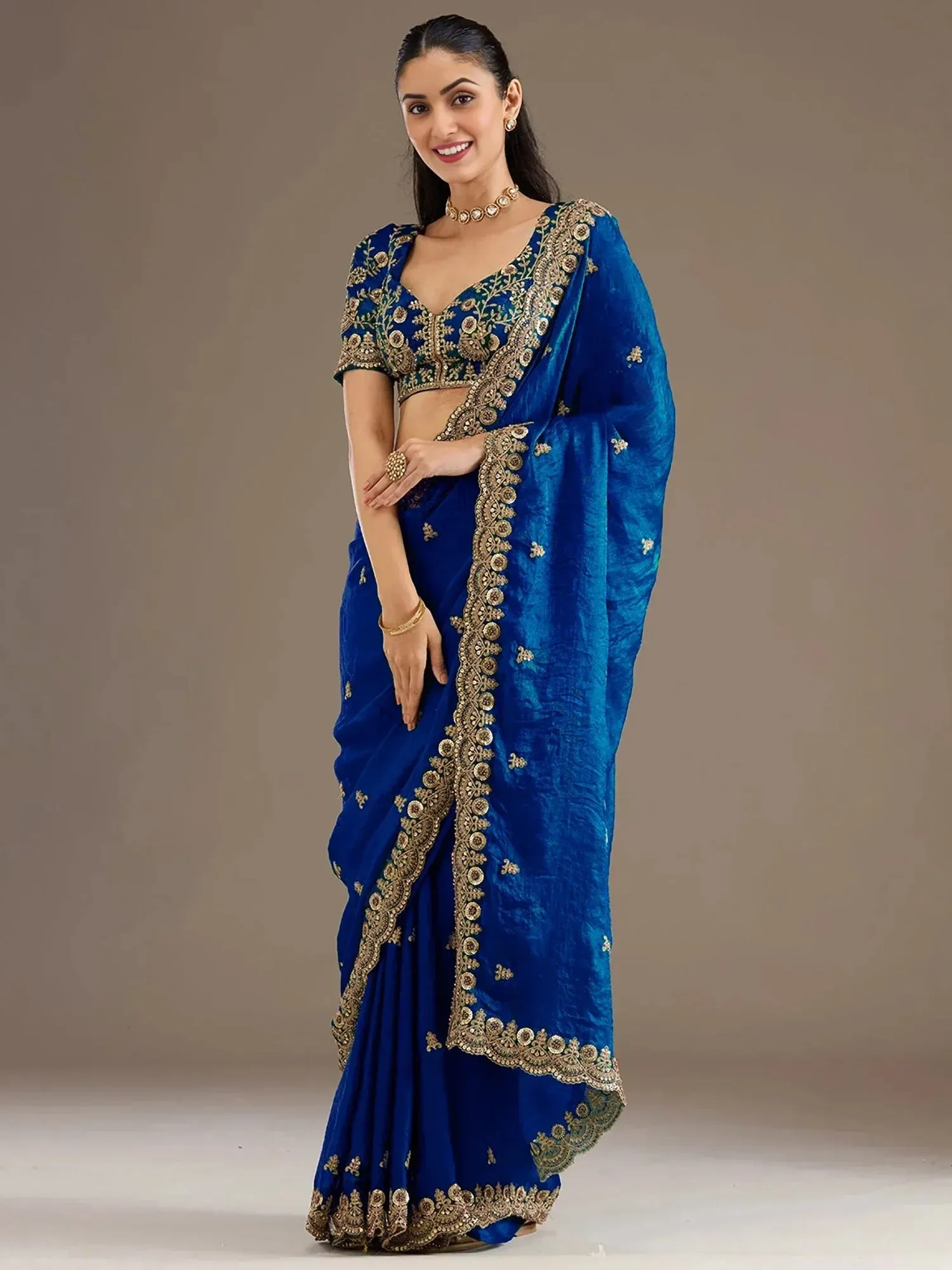
Draping Styles and the Mood They Create
A traditional Nivi drape offers a classic, universally appropriate appearance suited to most occasions, while a Bengali or Gujarati-style drape brings distinct regional character that can make an outfit feel more personal and rooted in heritage.
- Choose Nivi drape for a classic, versatile appearance.
- Try Bengali drape for distinct regional character.
- Consider a belt drape for a modern, structured look.
- Experiment with pre-draped styles for convenience.
Matching Fabric to Specific Occasions
Cotton and linen sarees suit casual daytime events and warmer climates well, offering breathability that heavier fabrics cannot match. Silk and velvet, by contrast, suit formal evening events where structure and richness matter more.
Understanding this basic relationship between fabric and occasion helps buyers avoid the common mistake of choosing a beautiful saree that ultimately feels wrong, too casual or too formal, for its intended event.
Blouse and Draping Combinations Worth Trying
Pairing a structured, embellished blouse with a simple drape style creates balance, while a plain blouse paired with a more elaborate draping technique shifts visual interest toward the saree’s fall and movement instead.
- Pair simple blouses with elaborate draping techniques.
- Try structured blouses with classic, simple drapes.
- Consider contrast colors between blouse and saree.
- Keep overall detail balanced between top and drape.
Building Versatility Through Fabric Choice
Owning sarees across a range of fabric weights, from light cotton to structured silk, ensures readiness for nearly any occasion without needing to shop separately for each individual type of event throughout the year.
This approach to wardrobe building prioritizes function alongside style, recognizing that the most useful sarees are often the ones that can adapt across multiple different types of occasions and settings.
Regional Draping Styles Worth Exploring
Beyond the common Nivi and Bengali drapes, styles like the Maharashtrian Nauvari or the Coorgi drape offer distinctive silhouettes rooted in specific regional traditions, worth exploring for those wanting a more unique presentation.
Learning even one alternative draping style can add meaningful variety to an existing saree collection, allowing familiar pieces to feel new again simply through a different approach to wearing them.
Adapting Fabric Choice to Climate
Humid or coastal climates generally favor breathable cotton and linen sarees, while drier or cooler regions can comfortably support heavier silk and velvet options without the discomfort heat and humidity might otherwise cause.
Considering your specific climate alongside the occasion itself leads to more genuinely comfortable choices, rather than selecting fabric based purely on formality level without accounting for practical, everyday wearability.
Mixing Fabrics Within a Single Wardrobe
A wardrobe built entirely around one fabric type limits versatility considerably, while intentionally mixing cotton, silk, georgette, and linen pieces ensures readiness for a much broader range of occasions and climates.
Testing Comfort Before Committing
Wearing a new saree fabric or draping style briefly at home before an actual event helps confirm comfort and ease of movement, catching any issues early rather than discovering them mid-celebration in front of guests.
Conclusion
Fabric and drape together shape a saree’s entire mood and formality level, often more significantly than color or print alone. Understanding this relationship helps buyers choose more intentionally for each specific occasion they attend.
Building a wardrobe with variety across fabric weight and draping style ensures every event, from casual to formal, has an appropriate, well-suited option ready without last-minute scrambling or compromise.